digihimanshuu.com

SMM

Digital Marketing
blog, digital marketing, ON THE PAGE, PPC, SMM

Top Digital Marketing Trends to Watch in 2025

Top Digital Marketing Trends to Watch in 2025 Focus Keyword: Digital Marketing Trends 2025 In the ever-evolving world of digital marketing, staying ahead of the curve isn’t just an advantage—it’s a necessity. As we step into 2025, businesses must embrace new technologies, adapt to changing consumer behaviors, and innovate like never before. From artificial intelligence to immersive content, the digital marketing trends in 2025 are set to redefine how brands connect with audiences. 1. AI-Powered Personalization Becomes the Standard Artificial intelligence is no longer a futuristic tool—it’s central to how brands interact with customers. In 2025, AI is expected to go beyond simple automation and become essential in hyper-personalizing content, emails, and offers. Why it matters: Customers now expect tailored experiences. AI can analyze user behavior and deliver content at the right time and on the right platform. Real example: Amazon and Netflix use AI to recommend products and shows based on user history, leading to higher engagement and sales. Key takeaway: Brands that embrace AI personalization will see increased customer retention and conversions. 2. Voice Search Optimization Gains Momentum With smart assistants like Alexa, Siri, and Google Assistant becoming part of everyday life, voice search is on the rise. In 2025, businesses must optimize for voice queries, which are often more conversational and question-based. Optimization tips: Use long-tail keywords. Focus on natural language. Include FAQ-style content. Stat: Over 50% of searches are expected to be voice-based by 2025. Key takeaway: Businesses that tailor content for voice search will capture a larger share of organic traffic. 3. Zero-Click Searches & Featured Snippets Dominate SEO As Google aims to keep users on its platform, zero-click searches are increasing. These occur when a user’s query is answered directly on the search results page, often through featured snippets. How to adapt: Use clear headers and bullet points. Answer common questions succinctly. Structure content with schema markup. Key takeaway: Focusing on rich snippets and structured content can boost visibility—even without clicks. 4. Video Marketing Goes Interactive In 2025, video remains king—but it’s evolving. Interactive video content allows viewers to click, choose outcomes, or engage with elements inside the video. Platforms like YouTube, Instagram Reels, and TikTok continue to dominate, but now with features like polls, quizzes, and embedded CTAs. Live video and webinars are also gaining more traction for B2B and service-based industries. Key takeaway: Interactive videos enhance engagement and can significantly increase conversion rates. 5. Social Commerce Expands Across Platforms Shopping directly from social media platforms is now a norm, not a novelty. Social commerce—buying products directly from Instagram, Facebook, TikTok, or Pinterest—is expected to reach new heights in 2025. Why it works: It simplifies the buyer journey, reducing friction and increasing impulse purchases. What to do: Optimize your product catalog. Use influencer marketing and user-generated content. Integrate AR try-ons and reviews. Key takeaway: If you’re not selling directly on social media, you’re missing out on a massive revenue stream. 6. Data Privacy and Ethical Marketing Take the Spotlight Consumers are more concerned about their data than ever before. With regulations like GDPR, CCPA, and evolving global standards, ethical digital marketing is now a necessity. Trends to watch: Cookieless tracking and server-side data collection. First-party data strategies (email lists, surveys, etc.). Transparent opt-ins and consent-based advertising. Key takeaway: Trust is the new currency. Brands that prioritize privacy will build stronger customer relationships. 7. Influencer Marketing Evolves to Nano & Micro Levels The influencer game is changing. In 2025, nano (1K–10K followers) and micro (10K–100K followers) influencers are delivering better ROI than celebrities. Why? These influencers have niche audiences and higher engagement. Tip: Collaborate with creators who align with your brand values and offer authentic content. Key takeaway: Quality of influence now matters more than follower count. 8. Augmented Reality (AR) Marketing Goes Mainstream AR is no longer limited to Snapchat filters. In 2025, AR will play a key role in product demonstrations, virtual try-ons, and immersive brand experiences. Examples: IKEA’s app lets users visualize furniture in their space. Beauty brands like L’Oréal offer AR makeup try-ons. Key takeaway: AR can bridge the gap between online and offline shopping experiences. 9. Chatbots and Conversational Marketing Get Smarter Thanks to advancements in natural language processing, AI chatbots are becoming more human-like and responsive. They’re available 24/7, offer instant responses, and improve customer satisfaction. Uses: Answering FAQs. Guiding users through the sales funnel. Collecting leads and feedback. Key takeaway: A well-designed chatbot can reduce bounce rates and boost conversions. 10. Sustainability Messaging and Green Marketing Rise Today’s consumers care deeply about the planet. In 2025, brands that incorporate sustainability in their digital marketing efforts will gain a competitive edge. Ideas: Highlight eco-friendly initiatives. Use green certifications in content. Tell your sustainability story in blogs and videos. Key takeaway: Purpose-driven marketing builds loyalty and connects emotionally with customers.
Digital Marketing
blog, digital marketing, email marketing, ON THE PAGE, PPC, SEO, SMM

Mastering Digital Marketing: Tips, Tools & Trend

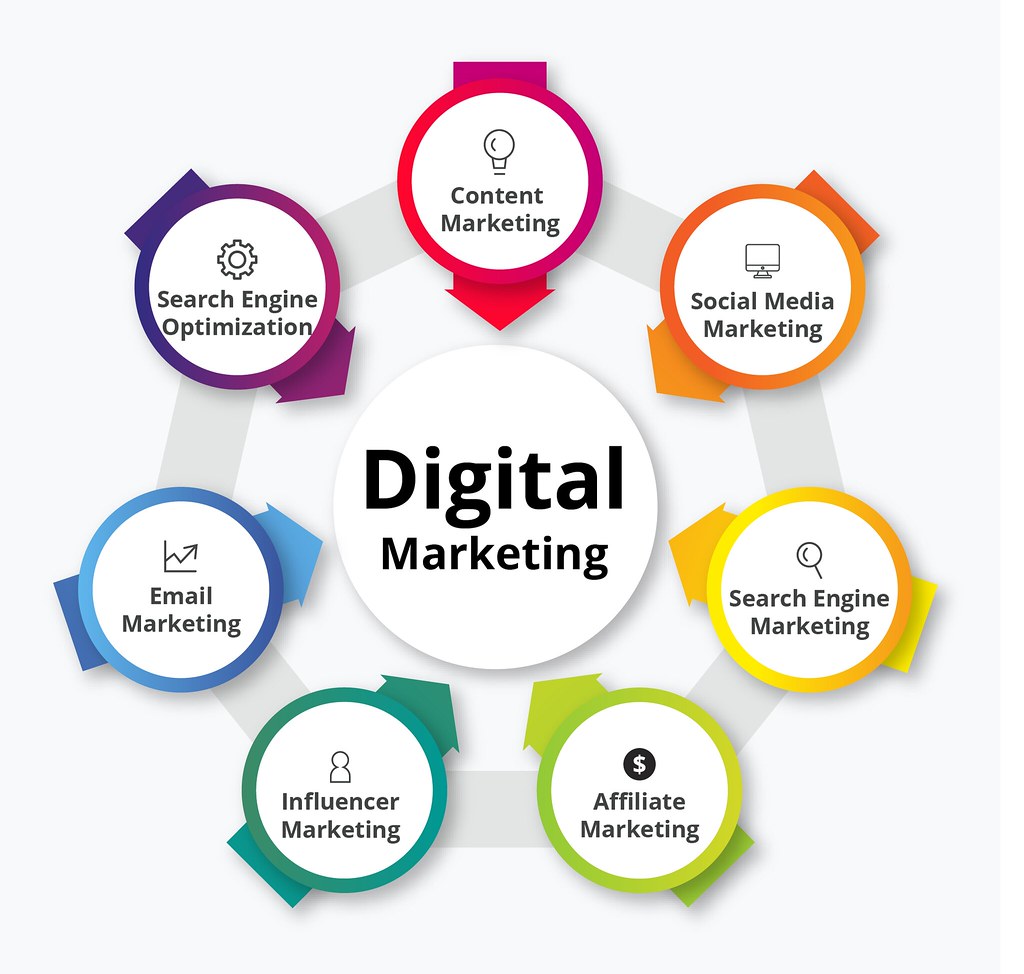
Mastering Digital Marketing: Tips, Tools & Trends In today’s fast-paced digital world, businesses are constantly competing for attention. Whether you’re a startup or an established brand, digital marketing is the engine that drives online growth, visibility, and engagement. But mastering it requires more than just a social media presence or a website. You need the right strategies, tools, and awareness of emerging trends to stay ahead. In this guide, we’ll explore practical tips, essential tools, and the latest trends to help you master digital marketing in 2025. 🔍 What is Digital Marketing? Digital marketing is the use of digital channels like search engines, social media, email, websites, and mobile apps to promote products or services. It’s not just about being online — it’s about connecting with the right audience at the right time with the right message. Key components include: Search Engine Optimization (SEO) Pay-Per-Click Advertising (PPC) Social Media Marketing (SMM) Email Marketing Content Marketing Affiliate & Influencer Marketing Analytics & Reporting ✅ Top Tips for Mastering Digital Marketing 1. Define Your Goals Clearly Start with SMART goals — Specific, Measurable, Achievable, Relevant, and Time-bound. Whether it’s driving traffic, generating leads, or increasing sales, your entire strategy should align with these goals master digital marketing. . 2. Understand Your Target Audience Know their demographics, behavior, preferences, and pain points. Use tools like Google Analytics, Facebook Insights, or customer surveys to create buyer personas that guide your content and ad targeting. 3. Create High-Value Content Content is the backbone of digital marketing. Create blogs, videos, infographics, podcasts, and eBooks that educate, entertain, or solve problems. Quality content builds trust and boosts SEO rankings. 4. Be Consistent Across Channels Your branding, tone of voice, and messaging should be consistent across platforms. Whether it’s Instagram, your website, or email newsletters, consistency strengthens brand recognition. 5. Invest in SEO Optimize your website and content for search engines. Use long-tail keywords, write meta descriptions, and make sure your site loads fast. SEO brings organic traffic that lasts long-term master digital marketing. 6. Embrace Paid Advertising Running ads on Google, Meta (Facebook/Instagram), LinkedIn, or YouTube can provide instant visibility. Start small, test different ad creatives, and scale what works. 7. Monitor, Measure & Improve Use analytics to track campaign performance. Monitor KPIs like CTR, conversion rate, bounce rate, and ROI. Optimization is a continuous process. 🧰 Must-Have Tools for Digital Marketing 1. Google Analytics 4 Track and analyze user behavior on your website. GA4 offers powerful insights into your audience’s journey and helps you refine your strategy. 2. SEMRush / Ahrefs These are all-in-one SEO tools for keyword research, competitor analysis, backlink audits, and site performance monitoring. 3. Canva A design tool perfect for creating engaging social media posts, infographics, and presentation decks — even without design skills. 4. Meta Business Suite Manage and schedule content, run Facebook and Instagram ads, and monitor performance from one dashboard. 5. Mailchimp / Brevo (formerly Sendinblue) For email marketing automation, list management, and campaign tracking. Perfect for both beginners and pros. 6. ChatGPT / Jasper AI writing tools that help create content faster — from blog posts to ad copy and emails. 7. HubSpot A comprehensive CRM and inbound marketing platform that helps manage leads, automate marketing, and close sales. 🔮 Top Digital Marketing Trends in 2025 Digital marketing continues to evolve rapidly. Here’s what’s trending in 2025: 1. AI-Powered Marketing From content creation to customer service chatbots, AI tools like ChatGPT, Gemini, and Jasper are reshaping how brands communicate. AI helps personalize content, automate campaigns, and predict customer behavior. 2. Voice & Visual Search With the rise of voice assistants and visual tools like Google Lens, optimizing for voice and image search is crucial. Use conversational keywords and structured data master digital marketing. 3. Short-Form Video Dominance Reels, TikToks, and YouTube Shorts continue to dominate engagement. Short videos are perfect for storytelling, tutorials, and brand promotions. 4. Influencer Marketing Evolution Nano and micro-influencers (1K–10K followers) offer high engagement at lower costs. Brands now prefer authenticity over celebrity status. 5. Zero-Click Searches & Featured Snippets People often get answers from Google without clicking a link. Optimize your content to appear in featured snippets and answer boxes. 6. Privacy & Data Ethics With rising concerns over privacy, marketers must prioritize transparent data practices, cookie-less tracking, and compliance with GDPR/CCPA. 7. Omnichannel Experience Customers expect a seamless journey across web, mobile, email, and in-store. Omnichannel marketing ensures that every interaction feels consistent. 📈 Final Thoughts Mastering digital marketing is not about using every tool or chasing every trend — it’s about creating a strategy tailored to your audience and goals. Stay curious, keep testing, and never stop learning. With the right combination of skills, tools, and awareness of digital trends, any business can thrive in the digital landscape of 2025 and beyond. 💡 Bonus Tip: Don’t try to do everything at once. Focus on one or two digital marketing channels, master them, then expand. Consistency, quality, and strategy are the true game changers.

Digital Marketing
blog, digital marketing, ON THE PAGE, PPC, SEO, SMM

The Future of Digital Marketing

The Future of Digital Marketing: Trends You Can’t Afford to Ignore. The Future of Digital Marketing With rapid advances in artificial intelligence, data analytics, voice search, and privacy regulations, businesses must adapt or risk falling behind. So, what does the future hold for digital marketing? In this blog post, we explore the key trends that will define the next wave of digital strategy. 1. Artificial Intelligence Will Power Personalized Marketing Artificial intelligence (AI) is no longer just a buzzword—it’s becoming the backbone of modern digital marketing. Tools powered by AI can analyze vast amounts of customer data in real-time, allowing marketers to deliver personalized experiences at scale. From chatbots that offer 24/7 https://maheshexplore.com/ to AI-generated content and predictive analytics, marketers are using AI to increase efficiency and engagement. In the future, expect even more intelligent systems that understand user intent and behavior more accurately, making customer journeys smoother and more personalized than ever before. Key takeaway: Start integrating AI into your marketing stack—whether through email automation, predictive product recommendations, or dynamic content personalization. 2. Voice Search and Conversational Marketing Will Continue to Rise With the growing popularity of smart speakers and voice assistants like Siri, Alexa, and Google Assistant, voice search is becoming a major player in the digital space. According to recent data, over 50% of all online searches are expected to be voice-based. This shift will fundamentally change how content is created and optimized. Marketers must adapt by using more natural, conversational language and focusing on long-tail keywords that match how people speak, not just how they type. Conversational marketing—real-time, one-to-one connections between marketers and customers—is also expanding. Whether through chatbots, social messaging apps, or live chat, customers now expect fast, personalized interactions. Key takeaway: Optimize your website and content for voice search and incorporate conversational tools into your customer service strategy. 3. Privacy, Data Ethics, and the Cookieless Future Consumer data privacy is no longer optional—it’s a mandate. With regulations like GDPR and CCPA, and tech giants like Google planning to phase out third-party cookies, marketers must find new ways to gather and use data ethically. First-party data—information collected directly from customers through owned platforms like websites, apps, and email—will become the gold standard. In addition, transparency and consent will be central to building trust. Key takeaway: Shift your focus to first-party data strategies, invest in secure customer data platforms (CDPs), and ensure compliance with privacy laws. 4. Video and Interactive Content Will Dominate Attention spans are short, and static content no longer cuts it. Video continues to be the most engaging content format, and it’s not slowing down. From short-form videos on TikTok and Instagram Reels to webinars and live streams, video content drives higher engagement, retention, and conversion rates. Interactive content—like quizzes, polls, 360-degree videos, and augmented reality experiences—allows users to engage with your brand actively. It’s also a powerful tool for collecting first-party data. Key takeaway: Invest in high-quality video production and experiment with interactive content to engage your audience more deeply. 5. Influencer Marketing Will Mature Influencer marketing has grown from a trend into a staple strategy. However, the future of influencer marketing lies in authenticity and niche communities. Micro-influencers and even nano-influencers (those with under 10,000 followers) tend to have stronger engagement and more trust from their audience. Brands are moving toward long-term partnerships with influencers who align with their values, rather than one-off sponsored posts. Authenticity and transparency will be critical to success. Key takeaway: Focus on building meaningful relationships with influencers in your niche rather than chasing vanity metrics. 6. Omnichannel Marketing Will Become Standard Consumers now interact with brands across multiple channels—websites, apps, social media, email, and even in-store—and they expect a seamless experience across all of them. Omnichannel marketing unifies all touchpoints into one cohesive brand journey. In the future, businesses that can connect customer interactions across channels and devices will have a significant competitive advantage. The key is consistent messaging and integrated platforms that allow real-time tracking and engagement. Key takeaway: Use marketing automation and customer relationship management (CRM) tools to build a truly omnichannel experience. 7. Content Marketing Will Be Powered by Insights Content is still king, but the future belongs to data-driven content. Rather than guessing what content might work, marketers will increasingly rely on data analytics, search intent, and audience insights to inform their strategies. Additionally, the use of AI tools like ChatGPT, Jasper, and Copy.ai will help marketers generate content more efficiently, though the human touch will still be necessary for storytelling and emotional resonance. Key takeaway: Blend data and creativity to produce content that resonates and converts. In the evolving digital landscape, content marketing is becoming increasingly driven by data and insights. Brands are no longer relying solely on creativity or intuition; instead, they are leveraging customer behavior, search trends, and real-time analytics to inform their strategies. Insights derived from data allow marketers to understand audience needs, preferences, and pain points with precision, enabling the creation of highly targeted, personalized content. This shift towards insight-driven content marketing leads to more effective campaigns and higher engagement rates. By analyzing what content performs best, where users drop off, and which formats drive conversions, businesses can optimize their efforts continuously. AI and machine learning tools further amplify this capability, offering predictive analytics and content recommendations. Moreover, insights help bridge the gap between content creation and business goals. Whether the aim is brand awareness, lead generation, or customer retention, data ensures each piece of content contributes to measurable outcomes. As competition intensifies online, brands that harness insights to guide their content strategies will stand out and build deeper connections with their audiences. Conclusion: Staying Ahead in the Digital Marketing Game The future of digital marketing is intelligent, personalized, and privacy-focused. Success will require marketers to be agile, data-savvy, and customer-centric. Embrace new technologies, stay current with emerging trends, and always prioritize the user experience. The companies that thrive in the coming years will be those that adapt early, test continuously, and never stop learning.

Social Media Marketing
blog, digital marketing, SMM

Social Media Marketing (SMM): The Ultimate Guide to Growing Your Brand Online

What is Social Media Marketing? Social Media Marketing refers to the use of social media platforms to connect with your audience, build your brand, increase sales, and drive website traffic. It involves publishing content on your profiles, engaging with followers, running advertisements, and analyzing performance to improve your results. Popular platforms for SMM include: Facebook Instagram Twitter (now X) LinkedIn TikTok Pinterest YouTube Snapchat Each platform has its own audience and content style, making it important to tailor your approach accordingly. Why Social Media Marketing Matters Here’s why SMM is crucial for modern businesses: 1. Reach a Massive AudienceOver 4.9 billion people use social media worldwide. That’s more than half the global population — and it’s growing every year. Social media helps you tap into local and global markets instantly. 2. Cost-Effective AdvertisingCompared to traditional advertising (TV, radio, print), social media ads are budget-friendly and highly targeted. You can reach specific demographics based on age, gender, interests, behavior, and location. 3. Builds Brand Loyalty and TrustPeople follow brands they connect with. By engaging with your audience through comments, messages, and meaningful content, you build trust and loyalty social media marketing. 4. Drives Website Traffic and SalesWith strategic use of call-to-actions (CTAs), links, and product tagging, social media can be a major driver of web traffic, lead generation, and conversions. Key Elements of a Successful Social Media Marketing Strategy 1. Define Your Goals Start with a clear objective. Do you want to: Increase brand awareness? Drive traffic to your website? Generate leads? Boost sales? Grow your community? Having specific, measurable goals helps you stay focused and track progress. 2. Know Your Audience Understand who your target audience is — their age, gender, location, interests, challenges, and online behavior. This information shapes your content, tone, and platform choice. 3. Choose the Right Platforms Don’t try to be everywhere. Focus on platforms where your audience spends the most time. For example: Use Instagram for visual content and younger audiences social media marketing Why Is SMM Important in 2025? Social platforms are now search engines, shopping hubs, and trust builders. Here’s why SMM is critical: Brand Visibility: Consistent posting keeps you top-of-mind. Direct Customer Engagement: Real-time feedback and conversations. Cost-Effective Advertising: Precise targeting for budget-friendly ROI. SEO Benefits: Social signals help boost your site’s visibility social media marketing . 📱 Top Platforms for SMM in 2025 Different platforms serve different purposes. Here’s how to choose: Platform Best For Key Content Format Instagram Visual brands, D2C Reels, Carousels, Stories Facebook Local businesses, groups Events, Posts, Ads LinkedIn B2B, Professionals Articles, Thought Leadership YouTube Education, Demos Long-form Video TikTok Gen Z, Trend-driven brands Short videos, Memes X (Twitter) Real-time trends, PR Threads, News ⚙️ Key Components of an SMM Strategy Goal Setting: Define what success looks like—followers, leads, sales? Target Audience: Understand their age, location, interests, pain points. Content Calendar: Schedule a healthy mix of educational, promotional, and fun posts. Content Creation: Use tools like Canva, CapCut, and Copy.ai. Hashtag & Trend Research: Jump on relevant trends for viral reach. Posting & Engagement: Use scheduling tools and actively respond to DMs/comments. Ads & Retargeting: Run focused ad campaigns with a clear CTA. Analytics & Reporting: Track KPIs like reach, CTR, conversion, and engagement. 🚀 Latest SMM Trends in 2025 AI-Powered Personalization: Tools like ChatGPT generate captions, replies, and ad copy. Social SEO: Optimizing posts for platform search is now vital (think TikTok SEO or Instagram search). Short-Form Dominance: Reels, Shorts, TikToks are king—bite-sized, high-impact content wins. UGC (User-Generated Content): Audiences trust real customers over brands. Influencer Micro-Campaigns: Smaller influencers (5K–50K) yield better engagement at lower cost. Shoppable Posts: Social commerce is growing—users buy directly from posts. Communities & DMs: Brands are investing in 1:1 communication via chats and private groups. 🛠️ Best SMM Tools in 2025 Tool Use Case Buffer / Hootsuite Post scheduling & analytics Canva Pro Graphic design Later Instagram-first scheduling Sprout Social Enterprise-level management Metricool Competitor analysis & cross-channel reports CapCut / InShot Reels & short-form video editing Manychat Automated DM replies ChatGPT / Jasper AI Caption writing, ad copy generation 📈 Social Media KPIs You Should Track Engagement Rate (likes, comments, shares per post) Reach & Impressions Follower Growth Rate CTR (Click Through Rate) CPC (Cost Per Click) for Ads Conversion Rate (leads/sales via social) ROI from paid campaigns Tracking these helps you adjust your strategy for better results. 💡 Tips for Better Engagement Ask questions in captions. Use trending sounds and hashtags. Post at optimal times (based on audience activity). Collaborate with creators in your niche. Show behind-the-scenes content. Celebrate customer stories and testimonials. 🔄 How Often Should You Post? Platform Ideal Frequency Instagram 4–5x/week + daily stories LinkedIn 3x/week TikTok 1–2x/day Facebook 3–4x/week YouTube 1x/week Consistency is more important than frequency. Quality > quantity. 🧭 SMM for Local Businesses If you’re a local business (salon, clinic, cafe, etc.), social media is your best word-of-mouth tool: Use location tags and area hashtags Highlight customer reviews & visits Run local contests & offers Go live during events or launches social media marketing 🧠 Final Thoughts Social Media Marketing in 2025 is about authenticity, speed, and community. Brands that post regularly, engage genuinely, and experiment with formats will outperform competitors—regardless of size or budget. Invest in smart content, use automation where needed, and always listen to your audience.

Scroll to Top